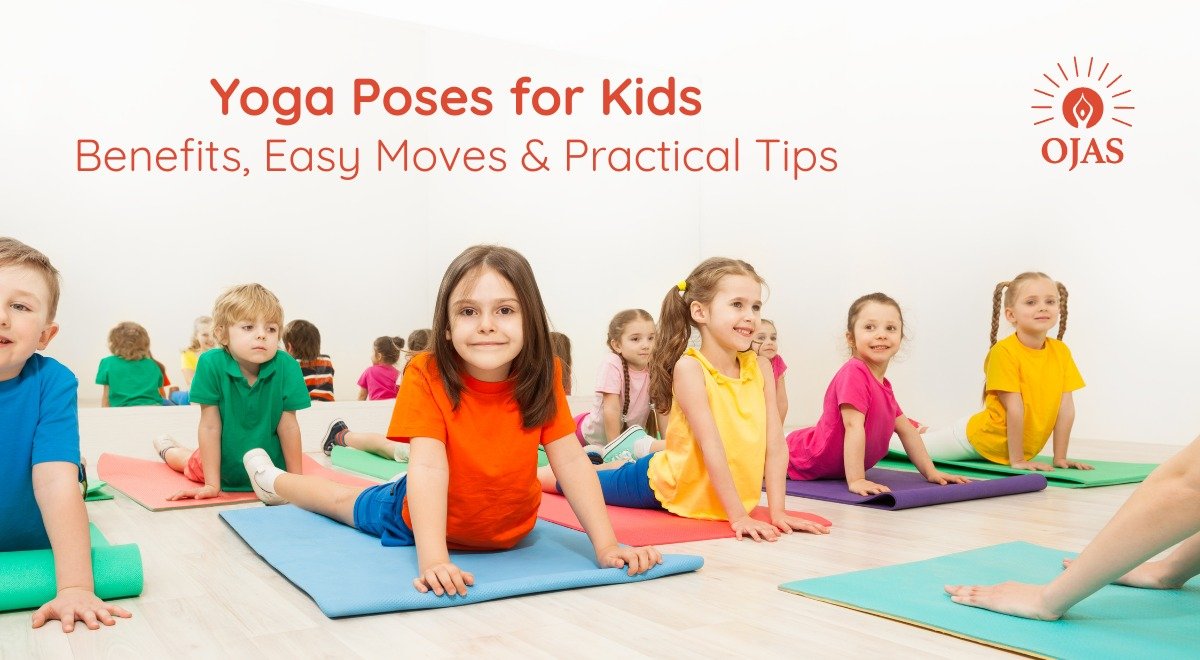
Yoga is no longer just for adults seeking flexibility or stress relief—it’s also becoming a valuable tool for children. Kids yoga is a movement-based activity combining physical postures, breathing techniques, and mindfulness tailored to children’s development.
Unlike adult yoga, kids’ yoga integrates storytelling, imagination, and play. Through fun, age-appropriate activities, children learn body awareness, breath control, and stillness. Each pose is often associated with animals or elements to create engagement and memorability. Yoga for kids supports healthy physical development, emotional resilience, and cognitive focus in a fun, age-appropriate way.
In this article, we’ll explore kids’ yoga, its unique benefits, easy poses to start with, and how to make it safe and fun for children of all ages.
What Is Yoga for Kids?
Kids yoga is a playful and educational version of traditional yoga, adapted to suit children’s developmental stages. While adult yoga emphasizes stillness and internal awareness, kids yoga introduces:
- Simple physical postures (asanas)
- Breathing exercises (pranayama)
- Creative play and storytelling
- Group interaction and movement games
Children’s yoga often includes themes like animals, nature, or adventure to make the experience more engaging and imaginative. The goal isn’t perfect form—it’s connection, awareness, and joy through movement.
Read More: Amrutha Yoga Saadhana: Inner Vitality and Spiritual Awakening
Why Is Yoga Good for Kids?
Yoga provides children a wide range of physical, mental, and emotional benefits, many of which directly support their daily lives at home and school.
Physical Benefits:
- Builds core strength, flexibility, and balance
- Enhances gross and fine motor skills
- Supports healthy posture and coordination
Emotional & Mental Benefits:
- Reduces anxiety and restlessness
- Teaches emotional regulation through breath and mindfulness
- Boosts attention span, memory, and classroom behavior
Social Benefits:
- Encourages self-confidence and empathy
- Promotes cooperative play in group sessions
- Helps develop body awareness and respect for personal space
According to a 2016 study in The Journal of Pediatrics, children who participated in yoga three times a week showed improved classroom behavior and reduced symptoms of anxiety and restlessness. Regular practice also enhances breathing patterns and sleep quality.
A 2019 NIH study found that school-based yoga reduced anxiety symptoms by 30% in children aged 6–12, further supporting its effectiveness in managing emotional well-being during developmental years.
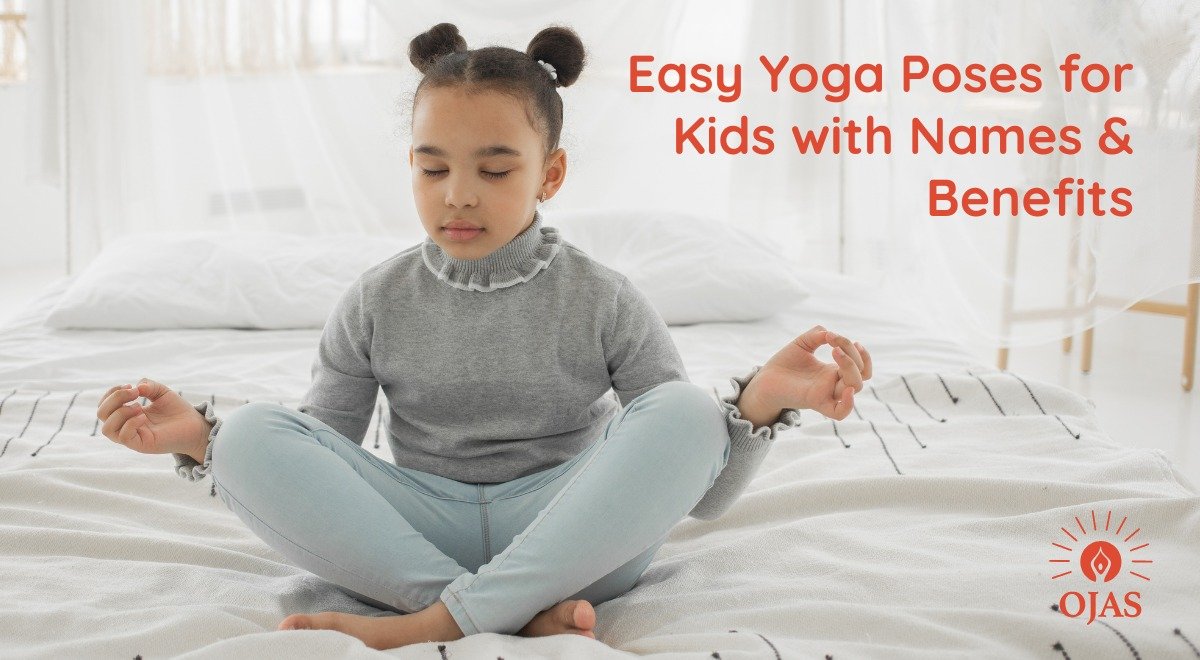
Easy Yoga Poses for Kids with Names and Benefits
| Pose Name | Difficulty | Description | Key Benefits |
|---|---|---|---|
| Butterfly Pose | Easy | Sit with the soles of feet together, flap your knees like wings | Hip opening, calming, and playfulness |
| Cat-Cow | Easy | Alternate arching and rounding the spine on hands/knees | Spinal flexibility, breath-body awareness |
| Tree Pose | Moderate | Stand on one foot, the other foot on calf/thigh, hands up | Balance, concentration, and body confidence |
| Downward Dog | Easy | Form an inverted V on hands and feet | Strengthens arms, stretches legs/back |
| Cobra Pose | Easy | Lie on belly, lift chest using arms | Spinal extension, energy boost |
| Happy Baby | Easy | Lie on your back, hold feet with knees bent | Relaxation, hip release, joy |
Adding visuals or printed pose cards can help children better understand and remember these movements.
What Are Some Fun Yoga Poses for Kids?
Solo Poses for Kids:
- Star Pose – stand tall with arms and legs wide like a shining star
- Frog Pose – squat and jump, mimicking frog hops
- Airplane Pose – balance on one leg with arms outstretched
Partner & Group Poses:
- Double Boat – sit facing each other, hold hands, lift feet
- Bridge & Tunnel – one child in Bridge Pose while others crawl through
Theme-Based Sequences:
- Jungle Safari (lion, elephant, cobra)
- Space Adventure (rocket, moon, shooting star)
- Ocean Yoga (dolphin, fish, surfer pose)
These themes encourage creative expression and make sessions more memorable.
Read More: The Ultimate Guide to Couple Yoga: Poses, Styles, and Benefits
What Are Simple Yoga Sequences for Kids?
You can create short, structured yoga sequences for different parts of the day.
1. Morning Wake-Up Sequence (5–7 minutes)
- Mountain Pose → Forward Fold → Cat-Cow → Cobra → Tree Pose
2. Bedtime Calm-Down Routine (5–10 minutes)
- Seated Forward Bend → Butterfly Pose → Happy Baby → Supine Twist → Savasana
3. Pre-School Focus Routine
- Easy Seated Pose → Balloon Breaths → Tabletop → Downward Dog → Mountain
Keeping routines short (5–10 minutes) works best for younger attention spans.
What are the benefits of yoga for the age group?
Ages 3–5:
- Develops motor skills and spatial awareness
- Introduces imaginative play and balance
- Teaches basic listening and group interaction
Ages 6–9:
- Builds muscle strength and posture
- Enhances focus, coordination, and emotional regulation
- Encourages teamwork and confidence
Ages 10–12:
- Supports stress management and emotional control
- Refines flexibility and core strength
- Prepares for more structured yoga or sports training
What Safety Guidelines Should Be Followed in Kids’ Yoga?
Best Age to Start:
- Kids can begin as early as age 3 with simple poses and breathing
Safe Environment:
- Use non-slip mats on soft flooring
- Ensure plenty of space between kids
- Avoid slippery socks or shoes
Supervision Tips:
- Always have an adult or trained instructor present
- Emphasize fun over form—perfection isn’t the goal
- Gently correct posture but avoid pressure
Mistakes to Avoid:
- Overstretching or forcing flexibility
- Holding poses too long
- Skipping warm-up or cool-down
How Can You Make Yoga Fun and Engaging for Kids?
Strategies That Work:
- Use storytelling (e.g., “We’re animals in the jungle!”)
- Add music, songs, or nature sounds
- Show visual pose cards or digital screens
Engage Parents and Teachers:
- Invite them to join in partner poses
- Provide printable routines to do at home
- Involve them in routine-building and reward tracking
Motivation Tools:
- Use sticker charts, progress logs, or kids’ yoga apps
- Celebrate milestones with certificates or “Yoga Star of the Week”
FAQs on Kids Yoga
How often should kids do yoga?
For beginners, 2–3 times a week is great, with short 10–20-minute sessions. More frequent practice is fine if the child enjoys it.
What are the best beginner yoga poses for kids?
Start with Cat-Cow, Tree, Downward Dog, and Butterfly Poses. They’re simple, safe, and fun to learn.
Can kids do yoga on their own?
Yes, older children can follow videos or cards. For younger kids, adult supervision ensures safety and keeps them focused.
Where can I enroll my child in a live Kids Yoga class?
Ojasyog offers fun, age-appropriate Kids Yoga classes led by certified instructors. Classes include animal-themed poses, breathing games, and partner play. Click here to learn more or register.
Looking to Teach Your Kids Yoga the Right Way?
At Ojasyog, we offer personalized kids’ yoga programs designed to meet children’s developmental needs through a blend of traditional yoga, storytelling, movement, and mindfulness. Whether you’re a parent, teacher, or school administrator, our approach makes yoga fun, safe, and impactful for young minds and bodies.
If you’re ready to help children explore yoga beyond the basics—while building focus, confidence, and emotional balance—reach out to join our next group session or inquire about custom programs for schools and families.
Final Thoughts On Kids Yoga
Yoga for kids is more than movement—it’s a practice that nurtures mind-body awareness, emotional intelligence, and inner calm. Yoga can help children feel more balanced, focused, and confident at home, in school, or in a studio.
With the right approach—playful, safe, and supportive—kids’ yoga becomes a lifelong tool for well-being.