
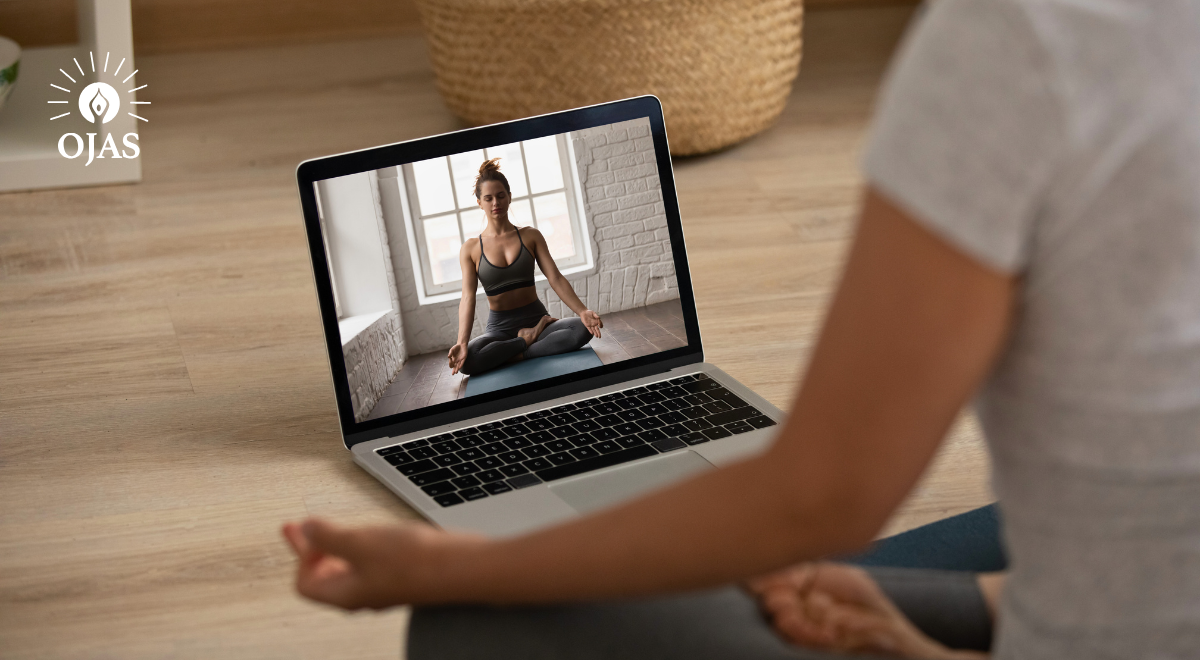
Virtual yoga classes can deliver comparable therapeutic benefits to in-person sessions when appropriately structured, with recent clinical trials showing significant improvements in chronic pain management and overall well-being.
Key Takeaways
- Virtual yoga reduced back pain intensity by 50% in Cleveland Clinic studies
- Online sessions scored highest for convenience and affordability while maintaining mental health benefits
- Proper setup and instructor guidance ensure safety and effectiveness in virtual practice
- Community connection and motivation require intentional effort in online formats
- Hybrid approaches combining online and in-person elements optimize practice outcomes
Benefits of Online Yoga: Accessibility Meets Effectiveness
Online yoga delivers convenience, flexibility, and accessibility while often matching in-studio efficacy when properly structured. Recent research from Cleveland Clinic demonstrates that virtual yoga classes reduced chronic low back pain intensity and improved back-related function significantly, validating the therapeutic potential of remote practice.
Convenience and Flexibility
Online yoga eliminates travel time and scheduling constraints. Practitioners save an average of 30-45 minutes per session by avoiding commute, allowing for more frequent practice. This accessibility particularly benefits parents, remote workers, and those with mobility limitations.
Access to Diverse Instructors
Virtual platforms provide access to specialized instructors globally. Whether seeking prenatal yoga, therapeutic sessions for specific conditions, or advanced practices, online formats remove geographical barriers to expertise.
Cost-Effective Solutions
Online subscriptions typically cost 60-80% less than studio memberships. Monthly online access ranges from $10-30, compared to $80-150 for unlimited studio classes, making yoga more financially accessible.
Self-Paced Learning
Pre-recorded classes allow pausing, rewinding, and repeating sequences. This feature particularly benefits beginners learning proper alignment and advanced practitioners perfecting complex poses.
How to Choose the Right Online Yoga Class
Selecting an effective online class requires evaluating instructor credentials, platform reliability, and alignment with personal wellness goals. Quality indicators include certified instructors, clear audio-visual production, and progressive class structures.
Define Your Objectives
Establish specific goals: stress reduction, flexibility improvement, strength building, or pain management. Research shows targeted approaches yield 40% better outcomes than generic practice.
Instructor Credentials Matter
Verify instructors hold 200+ hour certification from recognized organizations (Yoga Alliance, AIYB, or equivalent). Specialized training for therapeutic yoga, prenatal, or senior modifications adds credibility for specific needs.
Platform Assessment Criteria
- HD video quality with multiple camera angles
- Clear audio without background interference
- Reliable streaming without buffering issues
- Responsive customer support
- Mobile app availability for practice flexibility
Trial Period Utilization
Most platforms offer 7-14 day free trials. Test 3-5 different class types and instructors during this period to assess compatibility with your learning style and preferences.
Maintaining Proper Form in Online Yoga
Proper alignment and injury prevention in virtual sessions require strategic setup, self-awareness, and active engagement with instructor cues. Studies indicate that practitioners who establish dedicated practice spaces and use alignment tools maintain form quality comparable to studio participants.
Space Optimization
Position your device at a 45-degree angle approximately 6-8 feet away. This distance allows full-body visibility while maintaining clear audio reception. Ensure adequate lighting from natural or bright LED sources.
Mirror and Recording Techniques
Large mirrors provide real-time alignment feedback. Alternatively, recording practice sessions for later review helps identify postural patterns and improvement areas.
Verbal Cue Engagement
Quality online instructors provide detailed verbal alignment cues. Active listening and immediate application of these instructions replaces physical adjustments effectively.
Props and Modifications
Essential props include blocks, straps, and bolsters. Household items can substitute: books for blocks, belts for straps, and pillows for bolsters.
Read more: Effective Yoga Poses for Heart Health
Overcoming Common Challenges in Online Yoga
The primary obstacles to effective virtual practice—distractions, motivation, and technical issues—can be minimized through intentional boundaries and systematic approaches. Research indicates that practitioners who address these challenges systematically show 65% higher long-term adherence rates.
Managing Home Distractions
Create practice boundaries: inform household members of your schedule, silence devices, and establish visual cues (closed door, “Do Not Disturb” sign) that indicate practice time.
Sustaining Motivation
Set specific practice times and treat them as non-negotiable appointments. Track progress through a practice journal, noting physical and mental changes weekly.
Technical Contingency Planning
Download offline content for internet outages, maintain device charging, and have backup platforms available. Test technical setup before class starts to avoid mid-session disruptions.
Compensating for Physical Adjustments
Develop proprioceptive awareness through slower movement and breath synchronization. Use walls, chairs, and props to provide stability and alignment feedback.
Read more: Desk Yoga Vs Mat Yoga
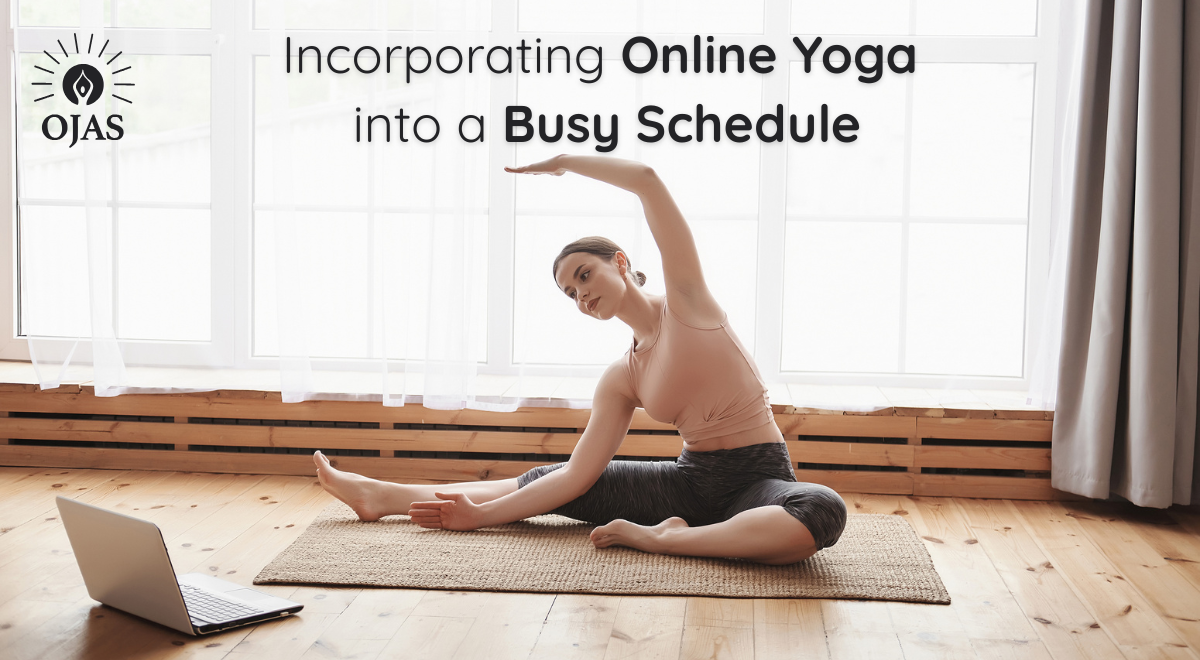
Incorporating Online Yoga into a Busy Schedule
Even 15-20 minute structured online sessions can integrate seamlessly into demanding routines while providing measurable wellness benefits. Time-management research shows that consistent short practices often exceed sporadic longer sessions in terms of stress reduction and physical improvement.
Micro-Session Strategy
Brief morning energizing sequences (10-15 minutes) and evening relaxation practices (15-20 minutes) fit most schedules. These sessions target specific needs: morning mobility and evening stress relief.
Energy-Matched Practice
Select class intensity based on daily energy levels. High-energy days accommodate vinyasa or power yoga, while low-energy periods benefit from restorative or yin practices.
Integration with Daily Activities
Desk-friendly yoga sequences during work breaks improve productivity and reduce physical tension. Simple stretches and breathing exercises require no mat or clothing changes.
The Role of Community in Online Yoga
Virtual yoga platforms can cultivate meaningful community connections through shared experiences, live interactions, and accountability systems. Research on virtual wellness communities shows that engaged participants experience 30% better motivation and adherence rates.
Live Session Participation
Real-time classes offer instructor interaction and peer energy. Many platforms feature chat functions for questions and encouragement during practice.
Virtual Challenges and Groups
30-day challenges, themed workshops, and practice groups create accountability. Social features enable progress sharing and mutual motivation.
Global Connection Opportunities
Online formats connect practitioners across time zones and cultures, expanding community beyond local geographical limitations.
Adapting for Different Levels and Abilities
Online platforms excel at providing adaptable content for varying abilities, injuries, and experience levels through specialized classes and modification options. Accessibility features in virtual yoga often surpass traditional studio offerings.
Beginner-Friendly Progressions
Structured learning paths guide new practitioners through fundamental poses and breathing techniques. Beginner series typically span 4-6 weeks with graduated difficulty.
Adaptive Yoga Options
Chair yoga, bed-based sequences, and mobility-focused classes accommodate physical limitations. These specialized offerings often unavailable in local studios become accessible online.
Injury Modification Resources
Therapeutic yoga classes address specific conditions: lower back pain, neck tension, arthritis, and post-surgical recovery. Instructors provide detailed modification options for common limitations.
Building a Well-Rounded Online Practice
A balanced virtual yoga routine integrates diverse styles, breathing techniques, and meditation practices to create comprehensive wellness benefits. Holistic approaches combining movement, breathwork, and mindfulness show superior outcomes compared to single-focus practices.
Style Variety Integration
Weekly practice might include:
- 2-3 dynamic sessions (Vinyasa, Power Yoga)
- 1-2 strengthening practices (Ashtanga, Rocket)
- 1-2 restorative sessions (Yin, Restorative)
- 1 breathing-focused practice (Pranayama)
Complementary Practices
Combine yoga with cardio (2-3 times weekly) and strength training (1-2 times weekly) for comprehensive fitness. Yoga enhances recovery and flexibility for other exercise modalities.
Meditation and Breathwork
Incorporate 5-10 minutes of meditation or breathing exercises daily. These practices amplify yoga’s stress-reduction benefits and improve focus.
Comprehensive Comparison: Online vs In-Person Yoga
| Feature | Online Yoga | In-Person Yoga | Best Choice |
|---|---|---|---|
| Accessibility | 24/7 access, no commute required | Fixed schedule, travel needed | Online for convenience seekers |
| Cost | $10-30/month average | $80-150/month average | Online for budget-conscious |
| Community | Virtual connections, global reach | Physical presence, local bonds | In-person for social connection |
| Form Feedback | Self-monitoring, verbal cues | Hands-on adjustments, visual correction | In-person for beginners |
| Flexibility | Pause, rewind, self-paced | Real-time only, fixed pace | Online for learning |
| Instructor Variety | Global access to specialists | Limited to local instructors | Online for specialized needs |
| Motivation | Self-directed, requires discipline | Group energy, external accountability | In-person for motivation |
Research-Based Evidence
Clinical studies validate online yoga’s effectiveness:
- Cleveland Clinic Study (2024): 24-week trial with 140 participants showed virtual yoga significantly reduced chronic low back pain intensity and improved function
- COVID-19 Satisfaction Study: Online yoga scored highest for convenience, mental health benefits, and affordability among 156 participants
- Therapeutic Outcomes: Virtual delivery showed comparable pain management results to in-person sessions for chronic conditions
Frequently Asked Questions
Can online yoga provide the same benefits as studio classes?
Research indicates that online yoga can deliver comparable therapeutic benefits to in-person classes when properly structured. A 2024 Cleveland Clinic study found virtual yoga significantly reduced chronic pain and improved function. However, beginners may benefit from initial in-person instruction to establish proper form.
What steps ensure safety in virtual practice?
How do I stay motivated without in-person accountability?
Maintain motivation through: scheduled practice times, progress tracking, joining online communities or challenges, setting specific goals, finding an accountability partner, and celebrating small achievements. Treat virtual classes as seriously as studio appointments.


